




The short answer: The best recovery sleepwear keeps your skin temperature stable overnight and wicks sweat fast, so your body can drop into the deep sleep stages where the actual recovery work happens. Cellulose fibres such as TENCEL™ Micro Modal absorb around 50% more moisture than cotton and re-dry faster (Lenzing). Avoid heat-retaining synthetics and infrared-treated polyester, both of which raise skin temperature and compete with the physiology that drives deep sleep. Zed Sleep's ZedCore™ fabric is a proprietary 89% TENCEL™ Micro Modal blend, independently tested with Loughborough University. It sits in the recovery stack alongside trackers and smart mattresses, addressing the fabric variable they don't.
If you wake at 3am after a hard training session and your morning recovery score keeps lagging the work you put in, the cause might not be your training load. It might be what you're sleeping in.
Athletic recovery happens during sleep, which is gated by overnight thermoregulation, which in turn comes down to what your skin is touching. Most pajamas marketed for athletes solve the easy part of that chain: they feel cool when you put them on. What matters once the lights are off is whether the fabric still keeps pace with your skin three hours later, when your core temperature has dropped and a hard interval session is still raising your overnight sweat rate.
This guide covers the fabric science, fit details, and recovery mechanisms that change when you switch sleepwear. It draws on independent ZedCore™ fabric testing with Loughborough University, peer-reviewed thermoregulation research, and feedback from Zed customers during the 30-night sleep trial.
Key takeaways
- Athletic recovery happens during sleep stages, and sleep stages are gated by your overnight skin temperature. Fabric is the layer closest to that skin.
- The recovery your body is doing overnight is the goal. Trackers are useful because they give you a way to see whether it's happening.
- TENCEL™ Micro Modal absorbs around 50% more moisture than cotton and re-dries faster, while keeping skin cooler against the body (Lenzing).
- Infrared and bioceramic-treated pajamas are designed to retain body heat. Heat retention competes with the skin-temperature drop your brain needs to enter deep sleep.
- Recovery sleepwear sits alongside the rest of the recovery stack, addressing the fabric variable other tools don't.
Why does sleep matter so much for athletic recovery?
Most of the adaptations that turn training stress into fitness happen overnight. Muscle protein synthesis peaks in the first half of the night. Growth hormone is released in pulses tied to slow-wave sleep. Glycogen restocks during the same window. The autonomic nervous system shifts from sympathetic to parasympathetic dominance, which is the shift your morning HRV reflects when it shows you recovered.
The literature is consistent. A Stanford study tracking university basketball players found that extending sleep to ten hours per night improved sprint times by an average of around 5%, free-throw accuracy by around 9%, and three-point accuracy by around 9.2% (Mah et al., 2011, SLEEP). The athletes didn't change their training. They changed their recovery.
Recovery is not a single event. It is a sequence of sleep stages that need to land in roughly the right order, for roughly the right duration, with as few interruptions as possible. Anything that pulls you out of deep sleep or REM, even briefly, costs you part of that night's recovery.
The skin-temperature gate
Your core body temperature is supposed to drop by 1–2°C overnight, and your brain uses peripheral skin-temperature signals to decide when to transition into deeper sleep stages (Kräuchi, 2007, Sleep Medicine Reviews). When the skin gets too warm or stays damp, the brain reads that as "core temperature is not falling cleanly" and delays the transition. You stay in lighter sleep for longer, accumulate more arousals, and wake with a worse recovery score even if you spent the right number of hours in bed.
This is the mechanism. The quality of the night that follows, and the way you feel and perform the next day, depends on whether the fabric against your skin lets that overnight temperature drop happen on schedule.
Where does sleepwear fit in the recovery stack?
Most people serious about recovery have already invested in a few tools. A smart mattress like Eight Sleep for the surface. An Oura ring or Whoop strap for the data. Maybe a meditation app for the wind-down. Possibly a supplement protocol on top.
What tends to get less attention is the fabric layer. The fabric closest to your skin overnight is often the same cotton T-shirt and pair of shorts that was sitting in a drawer when the rest of the setup got upgraded. Cotton holds moisture for two hours or more once saturated, which can sit damp against the skin during the deeper sleep stages where recovery happens.
Recovery sleepwear is not a replacement for any of those tools. It works alongside them, addressing the one variable they don't: what your body is actually wearing while it does the recovery work.

Why does what you wear to bed change how well you recover?
Two fabric variables shape overnight recovery directly.
Moisture management. Sweat sitting against skin keeps surface temperature higher than it should be overnight. A higher skin temperature delays the cooling curve your brain reads as the cue to enter deeper sleep stages, which means less time in slow-wave and REM sleep. A fast-wicking, fast-drying fabric stays dry between sweat bursts, so the temperature signal your brain reads stays clean and the recovery work can happen on schedule.
Stephanie, a customer reviewing the Women's Sleep Shorts, summarised it more concisely than most studies: "I swear it's the sleepwear my Whoop wants me to wear, because my sleep stats have been as good as when I was sleeping on an Eight Sleep."
Thermal mass. Heavy fabrics, including some recovery pajamas treated with infrared or bioceramic minerals, are designed to retain body heat. For daytime warm-up they may help. For overnight recovery they work against the physiology. The brain needs the skin to cool. Anything that traps heat on the body lengthens the time you spend in lighter stages and reduces total deep sleep.
Takeaway
Recovery happens when your body cools enough to enter deep sleep, processes the day's training stress, and re-equilibrates overnight. The fabric closest to your skin can either support that cooling curve or sit against it.

What should you look for in athletic recovery pajamas?
Four factors matter, in this order.
1. Fabric: natural cellulose, not heat-retaining synthetics
The fabric question has a clear answer for recovery: natural cellulose fibres outperform both cotton and treated synthetics. TENCEL™ Micro Modal (made from beechwood), TENCEL™ Lyocell, and fine merino wool all combine high wicking rate with fast drying, which is the combination that keeps skin temperature stable across a full night.
The fabric is rated around 2x softer than cotton in physical handfeel testing (Lenzing), which matters because tactile irritation triggers micro-awakenings even when temperature is fine. Athletes who sleep with a partner or in a hotel room with unfamiliar bedding compound that irritation; smooth fabric removes one variable.
Avoid heavy cotton (slow to dry), polyester (traps heat), and infrared or bioceramic-treated pajamas (designed to retain heat). The thermoregulation literature is consistent on this point: the skin needs to cool overnight, and any fabric engineered to keep it warm is working against the recovery you're trying to measure.
2. Fit: second-skin without pressure points
Two failure modes to avoid. A pajama cut too loose ends up bunched and compressed under a sleeping body, leaving damp patches that stay damp. A pajama cut too tight reduces airflow and adds compression you'll feel through the night, which research links to small but real increases in arousal frequency.
What works is a relaxed second-skin cut with flat-locked seams so nothing raised rubs as you turn over. Sleepwear gets worn for around 2,500 hours a year. Small fit details compound across that time.
3. Certifications: what the labels actually mean (and microplastics)
The certifications worth looking for are OEKO-TEX® STANDARD 100 (tested for harmful substances), the EU Ecolabel (lifecycle environmental performance), and Cradle to Cradle® Gold for elastane.
The factor that matters most for the biohacking and longevity audience is one most sleepwear avoids talking about: what the fabric leaves behind when you wash it. Synthetic and infrared-treated polyester fabrics release small plastic fragments during laundering, which is one of the largest known sources of microplastic input to wastewater. Natural cellulose fibres like TENCEL™ Micro Modal are biodegradable, so any fibre fragments released during washing break down rather than persisting in the environment. For people optimising the rest of their setup for lower chemical and particulate exposure, fabric is one of the longest skin-contact surfaces in the day, and it's worth knowing which kind your sleepwear is.
4. Care: don't sabotage the fibre
The fabric only works if you care for it correctly. Avoid fabric softener, which coats the fibre and reduces wicking by up to 70%. Wash on a gentle cycle at 30°C with a mild detergent. Air-dry where possible. Recovery sleepwear is not single-night training kit; it should last hundreds of nights without losing the moisture-management properties it was sold on.
Fabric comparison: which materials actually work for athletic recovery?
Performance varies dramatically across the fabrics marketed at athletes. The table below compares the most common options across the metrics that matter for overnight recovery. Sources are listed below the table.
| Property | TENCEL™ Micro Modal | Cotton | Merino wool | Polyester | Infrared / CELLIANT polyester |
|---|---|---|---|---|---|
| Moisture absorption | Excellent (~50% more than cotton) | Good (slow release) | Good | Poor | Poor |
| Drying rate | Fast | Slow (2+ hrs) | Moderate | Fast surface | Fast surface |
| Skin-temperature effect | Keeps skin up to 1°C cooler (Lenzing) | Neutral when dry, warming when wet | Insulating | Traps heat | Designed to retain body heat |
| Softness vs cotton | ~2x softer | Baseline | Insulating, scratchier | Lower | Lower |
| Sustainability | Biodegradable, EU Ecolabel, OEKO-TEX | High water use | Animal-derived | Petroleum-based | Petroleum-based |
| Best for athletic recovery? | Yes | Limited | Cold-climate use | No | No |
Sources: Lenzing TENCEL™ Modal product data; Lenzing certifications; Kräuchi 2007, Sleep Medicine Reviews on overnight thermoregulation.
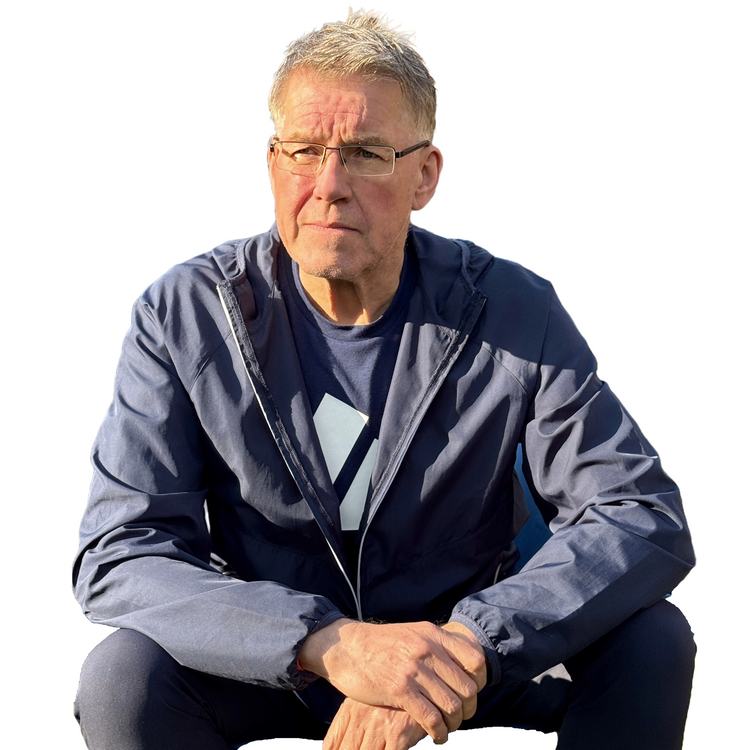
My journey with Ben explored all aspects of creating sleepwear that truly delivers under the varied circumstances we all experience. With the elite athletes I coach trying to achieve sustainable, optimal performance by optimising recovery, it's all about familiarisation. Zed's science-led fabric uses soft touch and temperature regulation that make it part of any professional pre-sleep routine.
Takeaway
Get the fabric right first, then the fit, then the certifications and the care routine. Doing it in that order matters more for actual recovery than any single feature on the packaging.
How do you test sleepwear for athletic recovery?
Lab specifications are a starting point. The useful signal is how you feel in the morning and across the training week after a real window of sleeping in the fabric you're considering, in your own bed, after your own sessions.
Independently tested with Loughborough University
Zed Sleep's ZedCore™ fabric was independently tested with Loughborough University for moisture management, thermal comfort, and skin-temperature regulation under simulated overnight conditions. Independent academic testing of the finished blend is rare in recovery sleepwear; most of the category cites brand-funded studies on sample sizes too small to extrapolate. The Loughborough work is on Zed's specific ZedCore™ blend, not on TENCEL™ Modal in general.
The 30-night sleep trial: notice the difference in your own bed
Pajamas behave differently across training loads, sleep environments, and individual sweat rates. The only honest test is your own experience over a real window of time. Zed customers tend to describe the same pattern within the first couple of weeks: waking less often during the night, falling back to sleep more quickly after they do wake, and starting the day feeling more recovered. If you track your sleep, those changes typically show up on your tracker too, in the same direction.
If the experience doesn't change, send the sleepwear back. The trial is built around your own felt difference, not ours.
As someone pretty obsessed with sleep, I'm always on the hunt for anything that's going to help me sleep even better. Since I tend to sleep hot, I was excited that Zed's sleepwear was temperature-regulating. I swear it's the sleepwear my Whoop wants me to wear, because my sleep stats have been as good as when I was sleeping on an Eight Sleep. The material is also incredibly breathable and super soft. So impressed with this sleepwear, and won't be wearing anything else.
How does ZedCore™ support overnight recovery?
Recovery sleepwear should feel comfortable, and Zed customers report that. The harder test is whether your body actually recovers more cleanly across the night. The mechanism below explains how a fabric change can move that needle, even when training load and sleep schedule stay the same.
What changes when the fabric supports the recovery work
- Deeper, less interrupted sleep. A fabric that wicks and re-dries fast keeps skin temperature within the range your brain reads as "safe to enter deeper sleep stages." Customers commonly describe sleeping more soundly through the night, particularly after hard training days.
- Fewer mid-night wake-ups from sweat. The window between 02:00 and 04:00 is where sweat-driven micro-awakenings concentrate after high training loads. A fast-drying cellulose fabric removes the most common trigger before it becomes a full wake-up.
- A more stable skin-temperature curve. Cellulose fibres distribute moisture and release it back into the air, keeping the skin within a narrower thermal range than damp cotton or trapped-heat synthetics can manage.
- Less sympathetic load while you sleep. Cleaner thermoregulation reduces the work your body has to do to manage temperature overnight, which tends to translate into feeling more recovered in the morning.
- More consistent morning recovery. When sleep quality stabilises, the day-to-day variability of how you feel waking up tends to narrow. If you track recovery metrics like HRV or readiness, that consistency usually shows up in the data.

Female athletes: the cycle adds a thermoregulation variable
Female athletes carry an additional fabric requirement. Core body temperature shifts across the menstrual cycle, with luteal-phase temperatures running around 0.3–0.5°C higher than follicular-phase temperatures. That difference is enough to push borderline sleep nights into wake-event territory, particularly during high-training-load weeks. Applied exercise physiologist Dr. Bryna Chrismas, whose research focuses on hormonal sleep disruption in female athletes, describes Zed's fabric design as integrating "fabric choices that support thermal comfort and reduce sensory disturbance" across the cycle. The same fabric properties that handle a hard training day also handle a luteal-phase night.
The infrared and CELLIANT question: what the science actually says
Infrared and CELLIANT bioceramic pajamas occupy a meaningful share of the recovery sleepwear category. The mechanism they describe is real in principle: minerals embedded in polyester fibres absorb body heat and re-emit it as far-infrared radiation, which has been studied in localised therapeutic contexts.
The trade-off for overnight wear is the part the marketing tends to skip. These fabrics are designed to retain body heat. The thermoregulation literature is consistent that the brain uses peripheral skin cooling as a sleep-stage gate (Kräuchi, 2007). A fabric that keeps the body warmer than the skin's natural overnight cooling curve is, by mechanism, slowing the transition into deep sleep.
The published studies on infrared sleepwear are small, brand-funded, and inconsistent. They are not a reason to avoid the products, but they are a reason to be honest about the trade-off. If you sleep cold and live in a cold climate, infrared pajamas may help. If you train hard and want your body to actually recover overnight, a moisture-managing cellulose fibre is the more consistent bet.
Why Zed Sleep is engineered for athletic recovery
Zed Sleep exists because off-the-shelf sleepwear was failing the people who train hardest. Cotton was soft but slow to dry under a sweat load. Silk was luxurious but fragile and a poor wicker. Synthetic athletic fabrics handled moisture but felt wrong against skin overnight and tended to trap heat. Infrared pajamas added a layer designed to keep the body warm, which competed with the recovery they were sold to support.
Our fabric is ZedCore™, a proprietary blend of 89% TENCEL™ Micro Modal and 11% Roica™ V550 Elastane. The TENCEL™ Micro Modal is made from sustainably grown beechwood, produced in Austria using a closed-loop process that recovers around 95% of production chemicals. It is biodegradable, certified by OEKO-TEX® STANDARD 100, and holds the EU Ecolabel for environmental excellence (Lenzing).
The Roica™ V550 Elastane provides four-way stretch without the environmental cost of conventional elastane, with Cradle to Cradle® Gold certification. The fabric is finished and sewn in Portugal and designed in the UK, with the technical specification developed and refined alongside sleep scientists including Dr. Roy Raymann, and independently tested with Loughborough University. You can read the longer story on our how it works page, or look at the fabric specification in detail on the thermal sleep comfort page.
Which products fit which athletic profile
For high-volume training weeks, lighter weights work best: the Men's Sleep Tee with Sleep Shorts, or the Women's Sleep Tee with Sleep Shorts. Less fabric means less to dry between sweat bursts.
For travelling athletes and recovery nights in colder rooms, the Men's Long Sleep Top with Sleep Pants, or the Women's Long Sleep Top with Sleep Pants, give more thermal coverage when the room runs cool without losing the breathability that handles a hard training day.
For athletes who want the full system, the men's or women's Complete Sleep System covers both short and long options plus a Sleep Mask for travel days. If you want to feel the fabric before committing, a Fabric Sample is a small first step.
Try it at home
Zed Sleep comes with a 30-night sleep trial. You sleep in it for a month, in your own bed, after your own training sessions. If your sleep doesn't feel different, send it back. You can read what other athletes have said: 66 verified reviews averaging 4.97 out of 5 stars.

What are the best alternatives to Zed Sleep for athletic recovery?
A handful of other brands sit in adjacent spaces. Each has its own approach to the problem. We name them honestly here so you can make an informed decision based on what you specifically need.
Dagsmejan
A Swiss brand in the performance sleepwear category, working with TENCEL and merino blends. Different cut philosophy from Zed: looser, slightly heavier construction. That works well for cold sleeping environments and travel; the Zed cut is closer to the body, which is what drives the continuous skin contact needed for fast moisture transfer during a hard recovery night.
Lusomé
A sleepwear brand using a proprietary synthetic wicking fibre. Sits in a different fabric category from natural cellulose. A consideration if you specifically prefer a synthetic next-to-skin feel and are not bothered by polyester's heat-retention trade-off.
Cozy Earth
Uses bamboo viscose, a chemically processed cellulose fibre. Soft hand-feel and strong brand awareness. Drying performance varies across production batches, and bamboo viscose processing is less tightly regulated than European modal production. Best understood as premium loungewear that also gets worn to sleep, rather than as a fabric engineered for overnight recovery.
Cool-jams
A US-focused brand using microfibre synthetic blends. A price-led option in the recovery-pajama category. Synthetic fibres next to the skin overnight remain a heat-retention trade-off we wouldn't recommend for athletes specifically tracking deep sleep and HRV.
Lunya
Known for washable silk and Pima cotton pieces with strong design. Beautiful product, more loungewear than recovery fabric. Worth considering if aesthetics are the primary driver and overnight recovery is secondary.
Ably
Uses a treated cotton (Filium) marketed for stain and moisture resistance. The chemistry-led approach reduces water absorption rather than enhancing wicking, which is a different mechanism from the one that drives recovery sleepwear.
DFND
The most visible CELLIANT-infused recovery pajama on the US market. Used by some Special Forces and athletic populations. The bioceramic infrared mechanism is real in principle but designed for heat retention, which trades off against the overnight skin-cooling curve the recovery literature points to. Best understood as a localised therapeutic-warmth product rather than a full-night sleep fabric.
If you want a sleepwear blend that's been tested independently with Loughborough University, cut for continuous skin contact across a full night, and built specifically around the recovery-night use case, Zed Sleep is the option to look at.
Frequently asked questions
Does what you wear to bed actually affect HRV?
Yes, indirectly. HRV is sensitive to sleep quality, and sleep quality is sensitive to overnight skin temperature. A fabric that keeps the skin within a stable thermal range supports cleaner sleep-stage transitions, which generally shows up as more consistent morning HRV across a two-week window. The effect size varies by individual, but most Zed Sleep customers who track HRV report a tighter morning range within the first month.
Do infrared pajamas help with athletic recovery?
The honest answer is "for some uses, yes; for overnight sleep, probably not." Infrared fabrics are designed to retain body heat, which the thermoregulation literature suggests works against the skin-temperature cooling curve your brain uses as a sleep-stage gate. They may help in localised therapeutic-warmth contexts, but moisture-managing cellulose fibres are a more consistent bet for tracker-measured recovery.
What's the best fabric for athletic recovery sleep?
Natural cellulose fibres, specifically TENCEL™ Micro Modal. They combine fast wicking with fast drying, which is the combination that keeps skin temperature stable across a full night. TENCEL™ Lyocell and fine merino wool are reasonable alternatives. Heavy cotton and treated synthetics are the two fabrics most likely to disrupt the metrics you're trying to improve.
Will my Whoop or Oura readings change after switching sleepwear?
If the previous fabric was holding moisture or trapping heat, the underlying sleep quality should improve, and the tracker should pick that up. The most commonly reported changes are a feeling of deeper, less interrupted sleep, fewer wake-ups in the early-morning window, and a more consistent morning recovery score. Sleep data is noisy night-to-night, so give it two to four weeks of consistent wear before drawing conclusions.
What should I wear to bed after a hard workout?
Something loose enough to let your skin cool, snug enough to keep continuous fabric contact for wicking, and made from a fast-drying cellulose fibre so the sweat from your post-workout thermoregulation doesn't sit damp against you for hours. A short set in TENCEL™ Micro Modal is the safest default for high-load nights.
Can sleepwear help with jet-lag recovery?
Indirectly, yes. Jet lag disrupts the circadian temperature curve as well as the sleep-wake cycle, and a fabric that supports the body's natural overnight cooling can reduce one of the variables fighting your re-adaptation. Travelling athletes often pair the long set with a sleep mask for hotel rooms, where the room temperature and lighting can both be unpredictable.
What's the worst fabric for recovery sleep?
Heavy cotton when you sweat (slow to dry), polyester (traps heat), and infrared or bioceramic-treated polyester (designed to retain heat). Each of them works against the skin-temperature cooling that gates entry into deep sleep.
How long before I should notice the difference?
Most customers describe feeling a change in how rested they wake within the first couple of weeks, particularly after harder training days. If you track your sleep, the same change tends to show up directionally in the data. Recovery metrics like HRV are also influenced by training load and stress, so it's worth giving the full 30-night trial before drawing conclusions.
Is Zed Sleep compatible with an Eight Sleep Pod or similar smart mattress?
Yes. Smart mattresses control the surface you sleep on; sleepwear controls the microclimate against your skin. They work as complements, not substitutes. Customers who own both tend to describe the fabric layer as the missing piece of an otherwise optimised setup.
Does Zed sleepwear work for compression-style recovery wear?
Zed is not a compression garment. The cut is a relaxed second-skin fit rather than the graduated compression used in daytime recovery wear. The premise is different: overnight recovery is driven by sleep-stage quality, not by venous return, so the fabric question matters more than compression engineering for sleep specifically.
The bottom line
Recovery happens overnight, in the deep sleep stages where most of the training-to-fitness work gets done. The fabric closest to your skin can either support that work or sit against it.
Start with a natural cellulose fibre, specifically TENCEL™ Micro Modal. Choose a relaxed second-skin fit with flat-locked seams. Avoid heat-retaining synthetics and infrared-treated polyester. Then notice the difference yourself over a real window of weeks.
Zed Sleep has now helped power more than 10,000 better nights, with 66 verified reviews averaging 4.97 out of 5 stars from customers who sleep through what used to wake them. If you're ready to add the fabric layer to your recovery setup, you can shop the full range or explore the men's and women's collections. Every order comes with a 30-night sleep trial.
Sleep strong.


